Digital product design services for B2B software
Digital product design services for B2B software cover the work between a business problem and a buildable interface. Redbrix defines what a product or module has to solve, who uses it and which decisions it supports, then designs the structure, concepts and production UI. The same process applies to a new product and to a new module in existing software.
What B2B product design includes
B2B product design at Redbrix covers four layers of work, from discovery to the design system. Each layer can be bought on its own. Together they cover the UX product design work needed to define, structure and design a product or module.
Product discovery and scope
Redbrix runs stakeholder sessions and defines what each feature has to accomplish and for which role. The output is a written scope that developers can build against.
Structure and user flows
This layer covers navigation, information architecture and the path each role takes through a task. It sets where each module sits in the product and which screens a task passes through.
UI/UX design for features and concepts
Redbrix presents more than one concept direction with the reasoning for each, then designs high-fidelity screens and interactive prototypes for the flows in scope against the data model the product already has. Teams that need interface work on an existing product can start with UI/UX design services for B2B companies.
Design system and handoff
Components, tokens, states and usage rules are delivered in Figma, documented for the developers who implement them. The file is organised so a developer finds each component together with its usage rules.
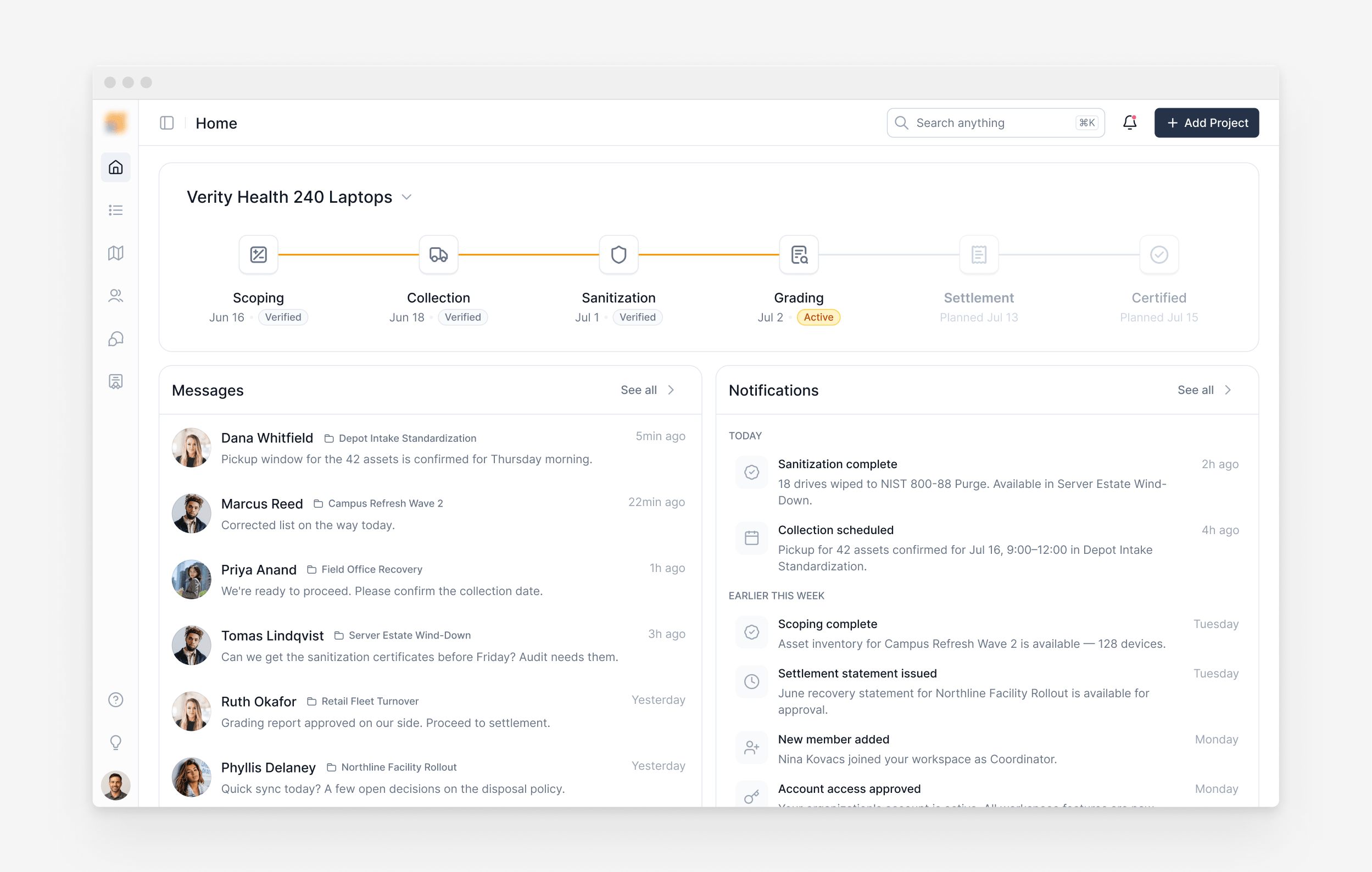
Selected product design work
Product design for a manufacturing ERP and MES platform
StartProto is an AI-powered ERP and MES platform for discrete manufacturers in the US. Redbrix has worked on the product since 2022, covering feature definition, the multi-role interface and the design system. Feature requests come from StartProto’s customers, its founder and the Redbrix team. The interface side of this work is described under ERP UI/UX design.

New clients said the new UI was one of the main reasons for choosing StartProto.
Product decisions made before design starts
Redbrix resolves five product decisions before interface design starts. Each one affects whether a team adopts the software after release.
Deciding what the product is for
A domain problem can turn into several products at once. Redbrix narrows it to the one job the software has to do well enough that a team changes how it works.
Finding the workflow the software has to fit
Operational software joins a process that already exists. Redbrix maps that process as it runs today, because a product built around a tidier version of it gets routed around.
Choosing what not to build
Features with low adoption still cost support, onboarding and screen space. Cutting scope is a design decision, and Redbrix makes it in the open with the reasoning attached.
Making the product legible to a buyer
In B2B sales the person who signs is often not the person who uses the software daily, and that person judges it in a demo. The structure has to show the value within that demo.
Designing for daily use
Users of operational software regularly return to the same core tasks. Redbrix makes the routine path the fastest one and keeps onboarding to what the first session needs.
Information architecture for B2B products
Navigation is where users notice a structure problem, and the problem usually starts earlier, in the model behind it. When work can go several ways at once, the product has to show each path and what it commits the user to. Redbrix defines that model first, so new roles, workflows and modules extend the existing structure.

Redbrix delivered good designs.
SaaS product design challenges we start from
SaaS product design engagements at Redbrix commonly start from one of four situations. Each one calls for a different first step.
You have the domain problem and no product shape yet
You know the process, the customers and where existing software fails them, and the product is still a set of assumptions. Redbrix turns those assumptions into scope, structure and concepts ready for development.
Your roadmap keeps producing features with low adoption
Releases ship on time and usage does not move, because the roadmap is a list of requests. Redbrix identifies which user decisions the product does not support and reorders the roadmap from there.
The first version was built by engineers
It works, it demos badly, and each new feature makes it harder to explain. Redbrix rebuilds the structure and the interface around the decisions users make.
You are building a product for a client and need design ownership
Software development companies and integrators bring Redbrix in to own the product design layer of a delivery. The team works under your process, your cadence and your client relationship, and can stay invisible to the end client.
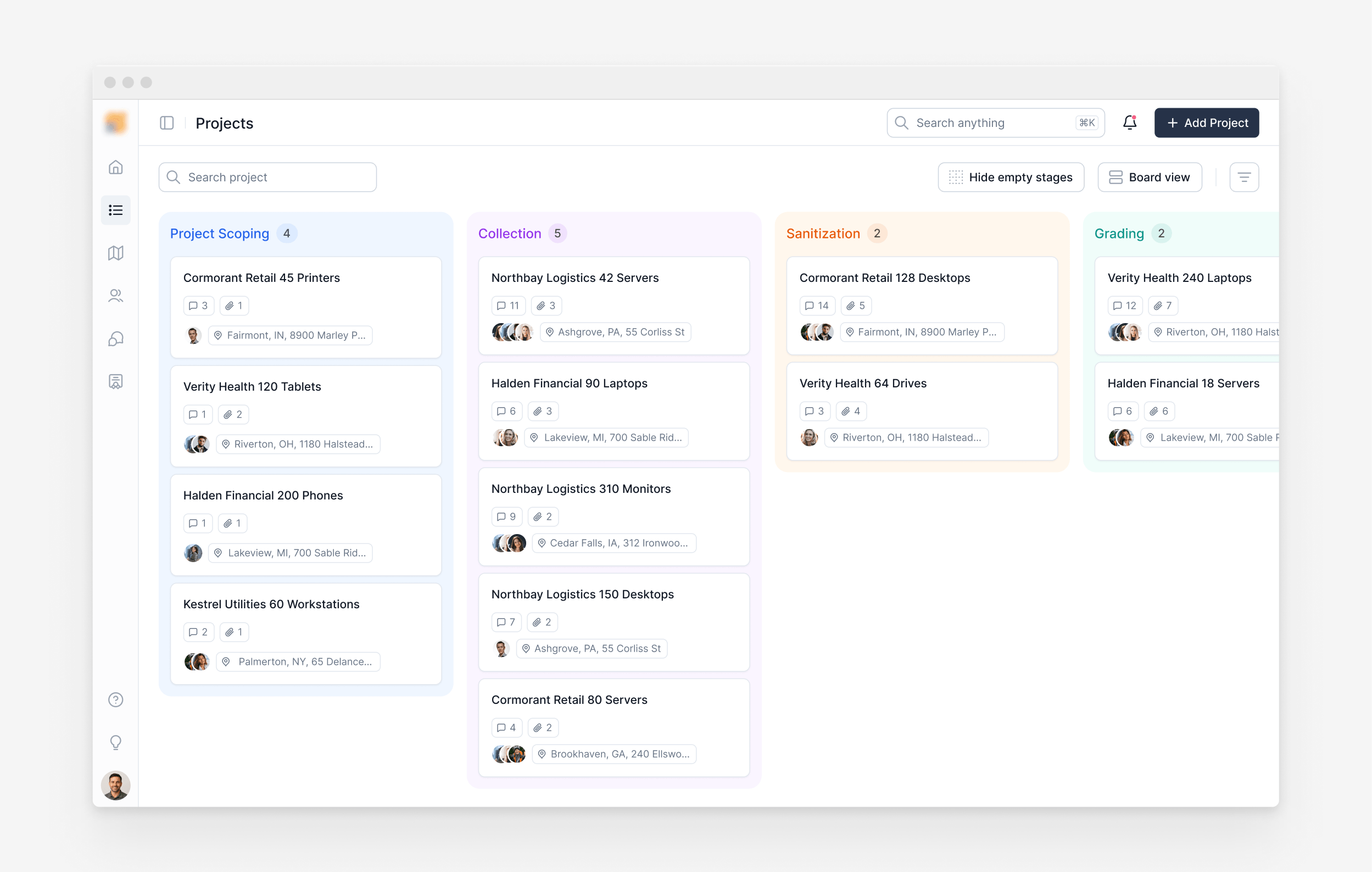
Software product design process, from onboarding to handoff
The software product design process has four phases. Each phase ends in artefacts you keep, and the pace follows your roadmap.
Product goals, users and roles
Redbrix works from your documentation, your customers’ process and the product if one exists. Roles and the decisions each role makes are mapped in this phase, and technical constraints are reviewed with your developers. A shared Slack channel is open in the first week.
Scope and critical flows
Critical flows and the information architecture are decided in this phase, along with the scope of the first release. You receive concepts for those flows before production UI begins.
Production UI and the first version of the design system
The chosen concept becomes high-fidelity screens. Components and tokens are built as a foundation sized to the current product, so the system grows with the roadmap.
Handoff and support during the build
The handoff carries annotated specs and component notes. Your engineers reach the designers directly in Slack for the whole build, so questions about a screen are answered while it is being implemented.
We’ve seen happy customers and more sales. Our users have grown 100 times since working with them.
Product design for the first version of B2B software
Product design for a first version starts without existing screens or a detailed specification. Redbrix takes it from an undefined product to production UI in one phase.
What is enough to start
A market, a process and the decisions somebody has to make in that process are enough to begin. Documentation or an early prototype is used when it exists.
One direction designed in full
After the concepts are compared, one direction is designed in full for the agreed flows. Developers start from finished screens and a first set of components.
The same designers after the first release
The designers who defined the first version stay on the product for the releases that follow. New modules are designed by people who already know the structure.
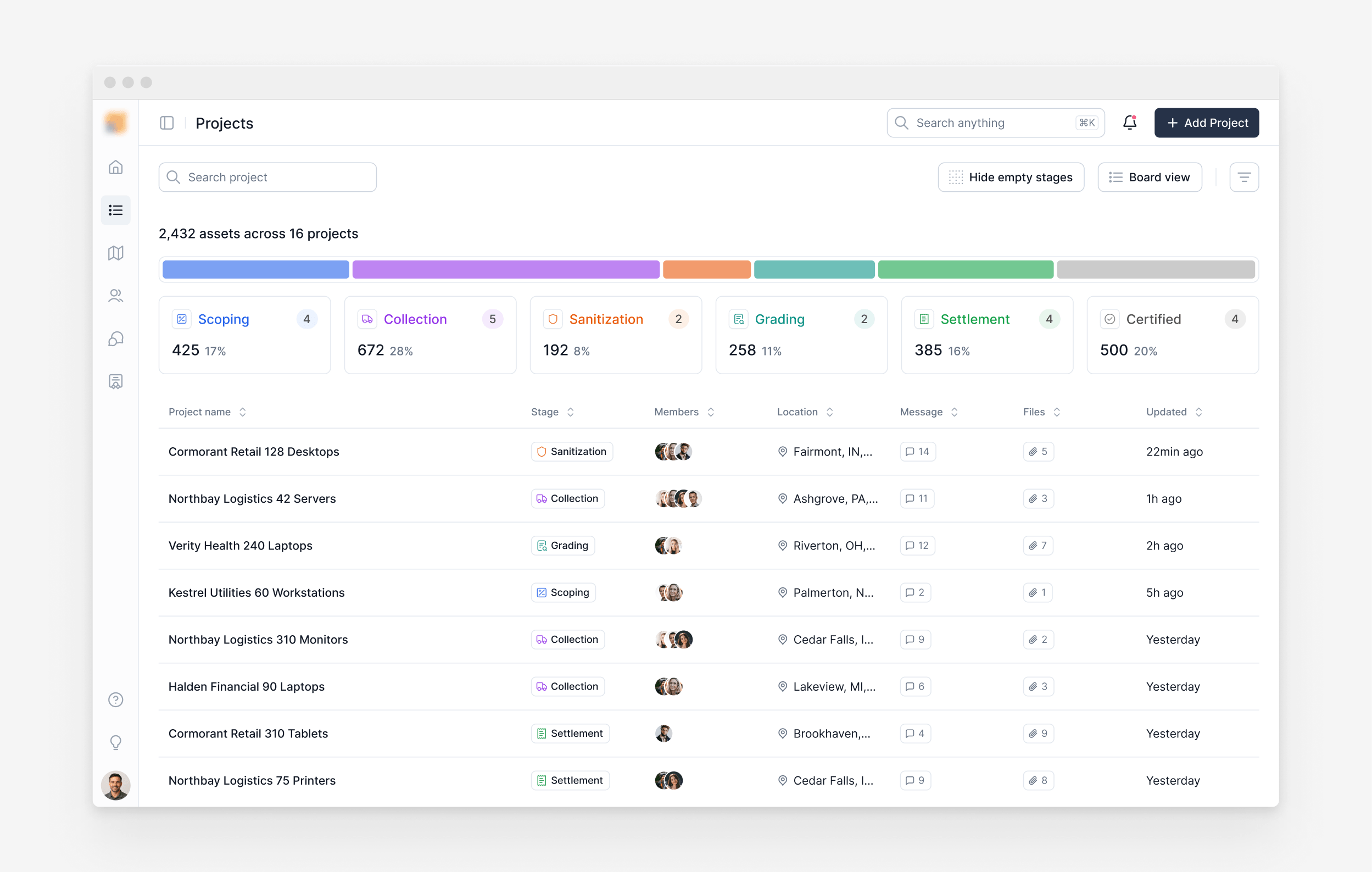
How a product design engagement runs
A product design engagement with Redbrix runs with a small senior team and short decision cycles.
Founders and senior designers on the project
Redbrix has designed B2B software since 2017. A founder works on every engagement together with senior designers. Redbrix holds Top Rated Plus status on Upwork. Read our client reviews on Clutch.
Decisions get made in the session
Options are presented with the trade-offs argued, and a decision is expected in the same session. The design cycle is measured in days.
You keep the files and the reasoning
Files, components, documentation and the argument behind each decision stay on your side. Your team can extend the design system after the engagement ends.
We say when the answer is not design
Some problems come from pricing, positioning or a missing integration, and a redesign will not move them. Redbrix says so before a phase starts.
They’re true thought partners.
Product design pricing and where an engagement starts
Product design pricing depends on scope and on how much of the product is already defined. Redbrix publishes the starting price of each format, and the exact scope and price are agreed on a call.
3-day trial
Three working days on a bounded piece of work, agreed with you before it starts. Redbrix confirms whether a trial fits within two working days of a short call about the product. The trial lets you judge the work on your own product before a budget conversation.
Express discovery from $1,900
Discovery takes one week where the flows are already known and two weeks where the product shape is still open, and costs between $1,900 and $4,000. It ends with roles and critical flows mapped, one direction at production fidelity and a written scope.
Monthly retainer from $4,000
A retainer provides continuous product design capacity at an agreed cadence. It is billed monthly and adjusted up or down as the roadmap changes.
Project work, T&M or fixed price
A first phase on a B2B product typically runs three months and starts at $24,000 on Time & Materials. Where a specification already exists, Redbrix can quote the phase at a fixed price.
FAQ
Digital product design services at Redbrix start at $1,900 for an express discovery, $4,000 per month for a retainer and $24,000 for a three-month first phase. The exact price depends on scope and is agreed before work begins.
Product design decides what the software does, for whom and how it is structured. UI/UX design covers the flows and screens of a product whose scope is already defined. A product design engagement at Redbrix includes the UI/UX work for the flows in scope.
Yes. A first version is a common starting point for product design at Redbrix, and it does not require existing screens or a detailed specification.
At Redbrix, a first phase of product design typically takes three months. An express discovery takes one to two weeks, and a retainer continues month to month for as long as the roadmap needs design.
Redbrix provides product design for B2B software companies, including teams building ERP, MES and compliance software. The team has worked on B2B software since 2017. Read our client reviews on Clutch.